September 18, 2026
The electrical system in your home is crucial for comfort and functionality. However, issues with this system can quickly escalate to emergencies if not addressed promptly. This article outlines the warning signs that indicate when to call for an emergency licensed electrician. Understanding these signs is an essential part of maintaining a safe home environment, as neglecting them can lead to significant hazards. By learning to recognize these indicators, homeowners can take proactive steps to safeguard their homes and families.
Recognizing Flickering or Dimming Lights
Identifying Possible Causes of Flickering
Flickering lights are often more than just a minor inconvenience; they can be indicative of an underlying electrical issue. Common causes of flickering lights include loose or outdated wiring, which poses a significant safety risk. Another potential cause is a faulty connection within the light fixture itself. Addressing these issues promptly is crucial, as unresolved flickering can lead to more dangerous conditions, including electrical fires. Homeowners should be vigilant and contact a licensed electrician if they notice frequent flickering, as it might signify a deeper problem.
Analyzing Correlations with Appliance Usage
Heavy appliance usage often correlates with flickering lights, suggesting potential load issues within the electrical system. When large appliances such as air conditioners or refrigerators operate, they draw substantial power, which can cause lights to flicker if the circuit is overloaded. This is a sign that your current electrical system may be inadequate for your power consumption needs. As electricity demand continues to grow globally—by 3% year-on-year according to the International Energy Agency—ensuring your home’s electrical capacity is sufficient becomes increasingly important. A licensed electrician can provide solutions to balance the load and prevent flickering.
Addressing Wider Circuit Issues
Flickering lights can also indicate broader circuit issues, hinting at potential malfunctions beyond a single fixture or appliance. For instance, loose or corroded connections within a circuit can lead to inconsistencies in power supply, causing lights to flicker. If left unchecked, these problems can worsen, leading to circuit overloads or even electrical fires. Regular maintenance and inspections of your home’s electrical systems can help identify these issues early. A licensed electrician can diagnose and repair wider circuit problems, ensuring your home remains safe and efficient.
Detecting Unusual Sounds from Electrical Outlets
Spotting Popping or Crackling Noises
Popping or crackling noises from electrical outlets are clear indicators of potential electrical issues. These sounds often result from loose connections or wiring problems, posing significant safety risks. Ignoring these noises can lead to more severe issues such as electrical fires. When such sounds are detected, it’s important to cease using the outlet immediately and contact a professional licensed electrician. Prompt intervention can prevent damage to electrical systems and ensure continued safety within the home.
Understanding Buzzing Sounds Implications
Buzzing sounds near outlets or from appliances often indicate electrical irregularities that warrant attention. This sound can signal arcing, where electricity jumps between gaps in connections, creating excessive heat. Such conditions can not only damage the outlets or wiring but also significantly raise the risk of fire. Homeowners should be aware that buzzing sounds are abnormal and necessitate professional evaluation. Addressing issues early can prevent potentially hazardous situations from developing.
Mitigating Loose Connections Risk
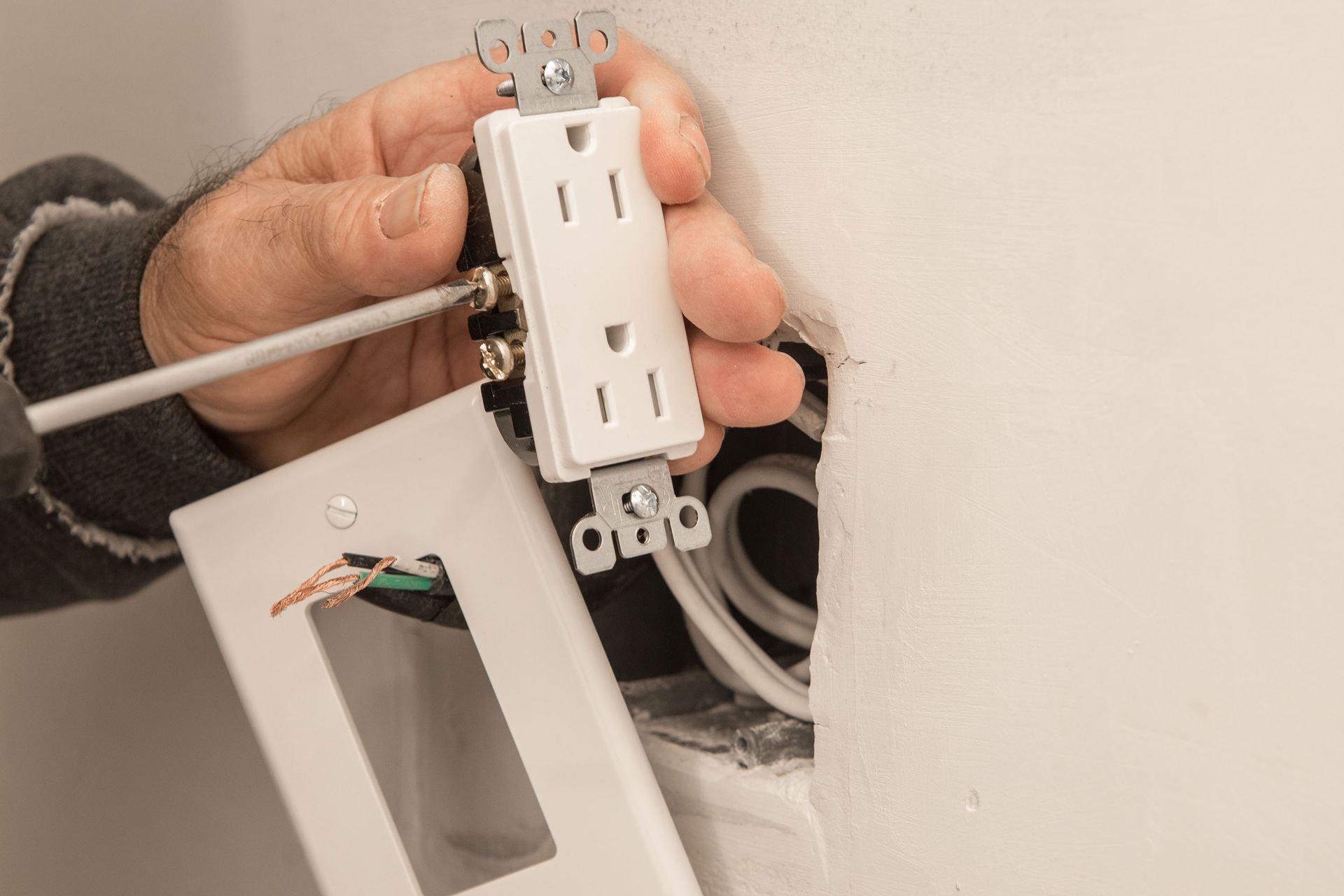
Loose connections within outlets or switches can lead to electrical instability, manifested by unusual noises or erratic performance of appliances. These loose connections can cause arcing or overheating, escalating into more severe electrical failures if not addressed. Identifying and repairing loose connections early can prevent these severe outcomes. Professional electricians can effectively secure connections, ensuring the safety and efficiency of your home’s electrical system. Regular maintenance checks can help detect and resolve these issues before they escalate into emergencies.
Managing Frequent Circuit Breaker Trips
Recognizing Overloaded Circuit Signs
Frequent circuit breaker trips often signify overloaded circuits, where the electrical demand exceeds the circuit's capacity. This is particularly common in homes where multiple high-power appliances are run simultaneously. An overloaded circuit not only causes inconveniences but also poses safety risks, like heating wires to dangerous levels. A licensed electrician can provide solutions, including circuit upgrades or redistributing loads to balance power use. Proactively managing your electrical demands is essential in preventing frequent trips and ensuring a safe home environment.
Diagnosing Short Circuit Causes
Short circuits occur when a live wire comes into contact with a neutral wire, causing excessive current flow and trips in the breaker. These can be caused by faulty wiring, damaged appliances, or pests damaging wiring. Short circuits are hazardous, often leading to overheating and potential fires if not quickly addressed. Understanding potential causes and being vigilant about incompatible wiring or frayed wires can prevent such dangers. Professional inspections and timely repairs are critical in managing these electrical hazards.
Preventing Ground Faults and Their Dangers
Ground faults occur when electricity flows directly to ground, often through metal insulation instead of the intended path. This usually results in breaker trips to prevent further damage and potential injuries. Common causes include water exposure to electrical components or wiring insulation failures. Ground faults present significant safety hazards, particularly in areas like bathrooms or kitchens where water and electricity are in closer proximity. Utilizing ground fault circuit interrupters (GFCIs) and ensuring facilities are up to code can help mitigate these risks.
Responding to Burning Smells or Discolored Outlets
Identifying a Burning Smell
A burning smell in your home’s electrical outlets is a serious warning sign that must not be ignored. This odor typically results from overheating wires or melting insulation, indicating a hazardous situation. Such scenarios can rapidly escalate into electrical fires, posing immediate risks to your home and safety. Disconnecting power and consulting an electrician upon detecting such smells are imperative steps for risk mitigation. Prompt professional intervention can prevent fires and safeguard both property and lives.
Assessing Signs of Electrical Overheating
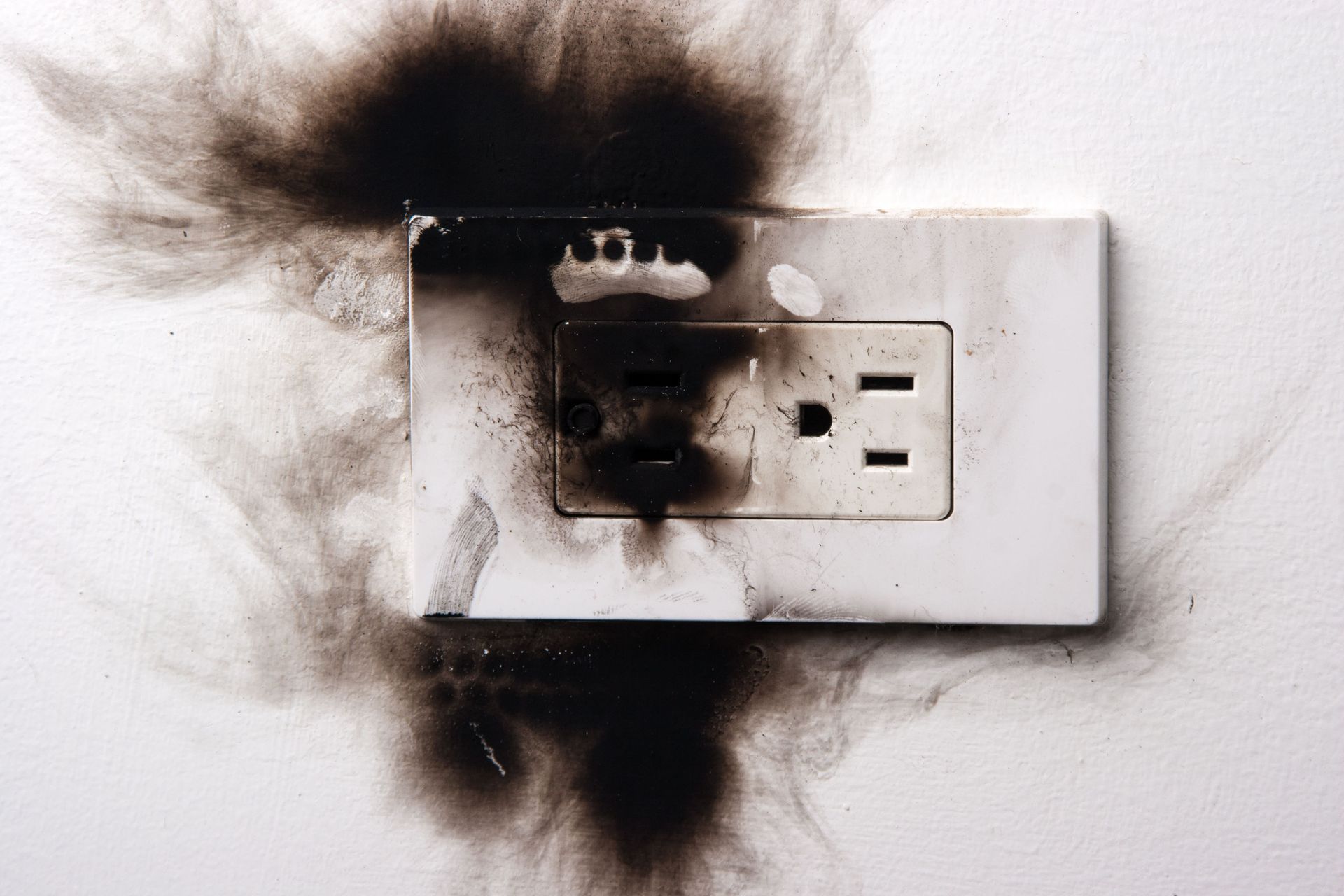
Electrical overheating is often indicated by warm-to-the-touch outlets, burn marks, or a persistent burning odor. These symptoms result from excessive power flow or faulty wiring, heating the components beyond their safe operating limits. Ignoring these signs can result in significant damage to your electrical infrastructure and increase fire risks. Contacting a licensed electrician immediately upon detecting overheating signs is crucial for preventing severe incidents. Professional assessments facilitate the identification and rectification of overheating sources efficiently.
Conducting Diagnosis of Discolored Outlets
Discolored outlets are often indicative of underlying electrical issues, such as poor wiring or overloaded circuits. The discoloration results from excessive heat exposure, which can degrade outlet materials and affect performance. Such conditions compromise outlet functionality and increase safety hazards. Addressing these issues promptly with professional support ensures corrective actions before more severe problems emerge. Regular inspections and timely maintenance can help detect and resolve discoloration-related complications effectively.
By recognizing warning signs early and acting promptly, homeowners can prevent electrical malfunctions from escalating into serious safety hazards. Regular inspections and timely intervention by a licensed electrician can ensure a safe and efficient electrical system. Maintaining vigilance and prioritizing proactive electrical management strategies secures home safety sustainably. Consistently engaging professional evaluations while monitoring operations fosters preparedness and minimizes risks to safeguard the home and family. Proactive measures optimize home electrical performance, prevent emergencies, and fortify living environments.
Ensure your home remains safe and fully powered by contacting JH Electrical Contracting today to schedule your emergency electrical inspection or service!